Athens is a city that wears its history openly. Ancient ruins sit beside neoclassical facades; Byzantine churches nestle between apartment blocks; and museums, quiet, deliberate spaces, hold the fragments that tie it all together. To walk through an Athenian museum is not simply to look at objects behind glass. It is to trace the threads of a city’s identity, from the marble figurines of the Cyclades to the revolutionary heirlooms of modern Greece. For anyone staying at F ZEEN Athens, these institutions offer more than a rainy-day diversion. They offer a way to understand the city beneath the surface.
THE ACROPOLIS, INSIDE AND OUT
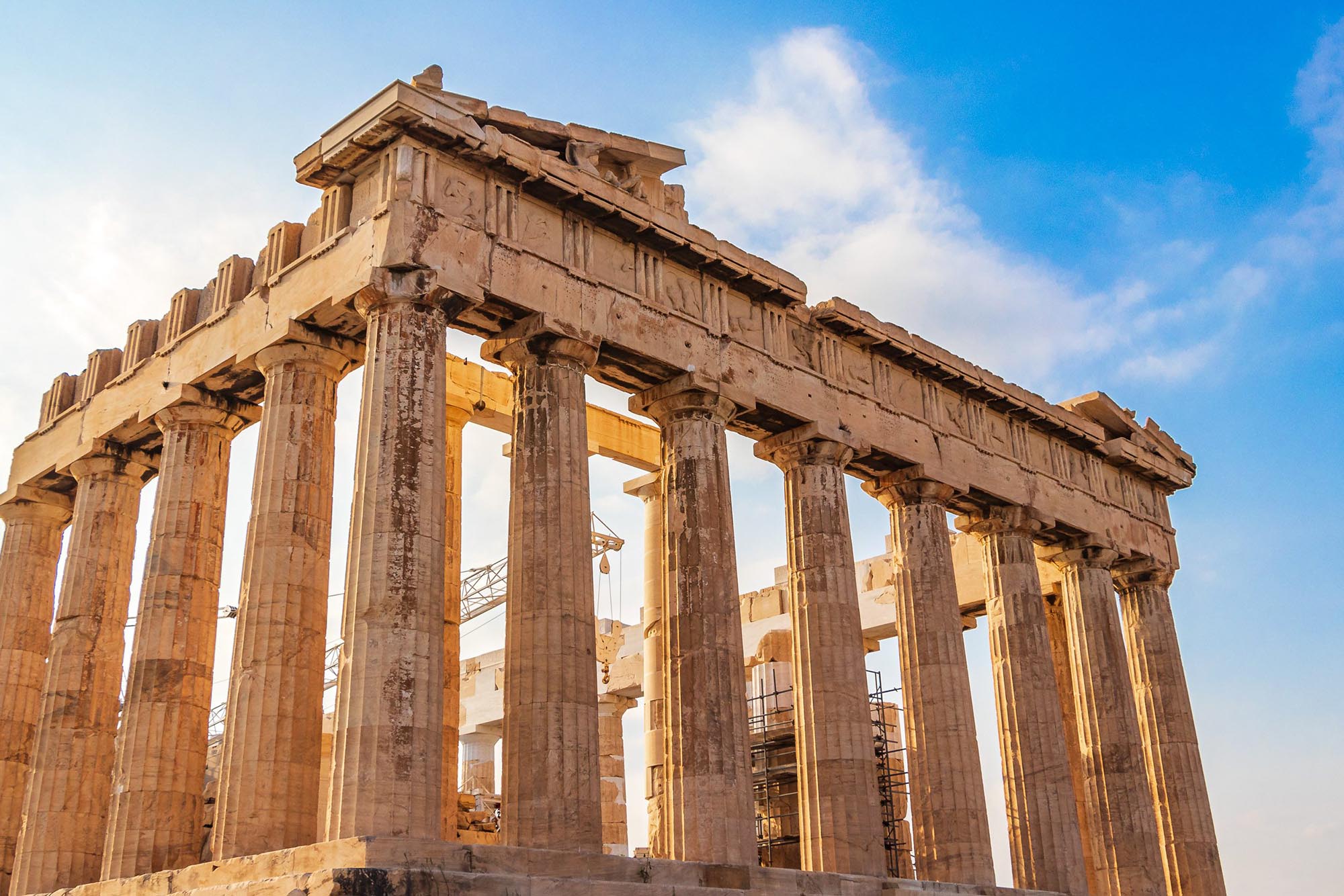
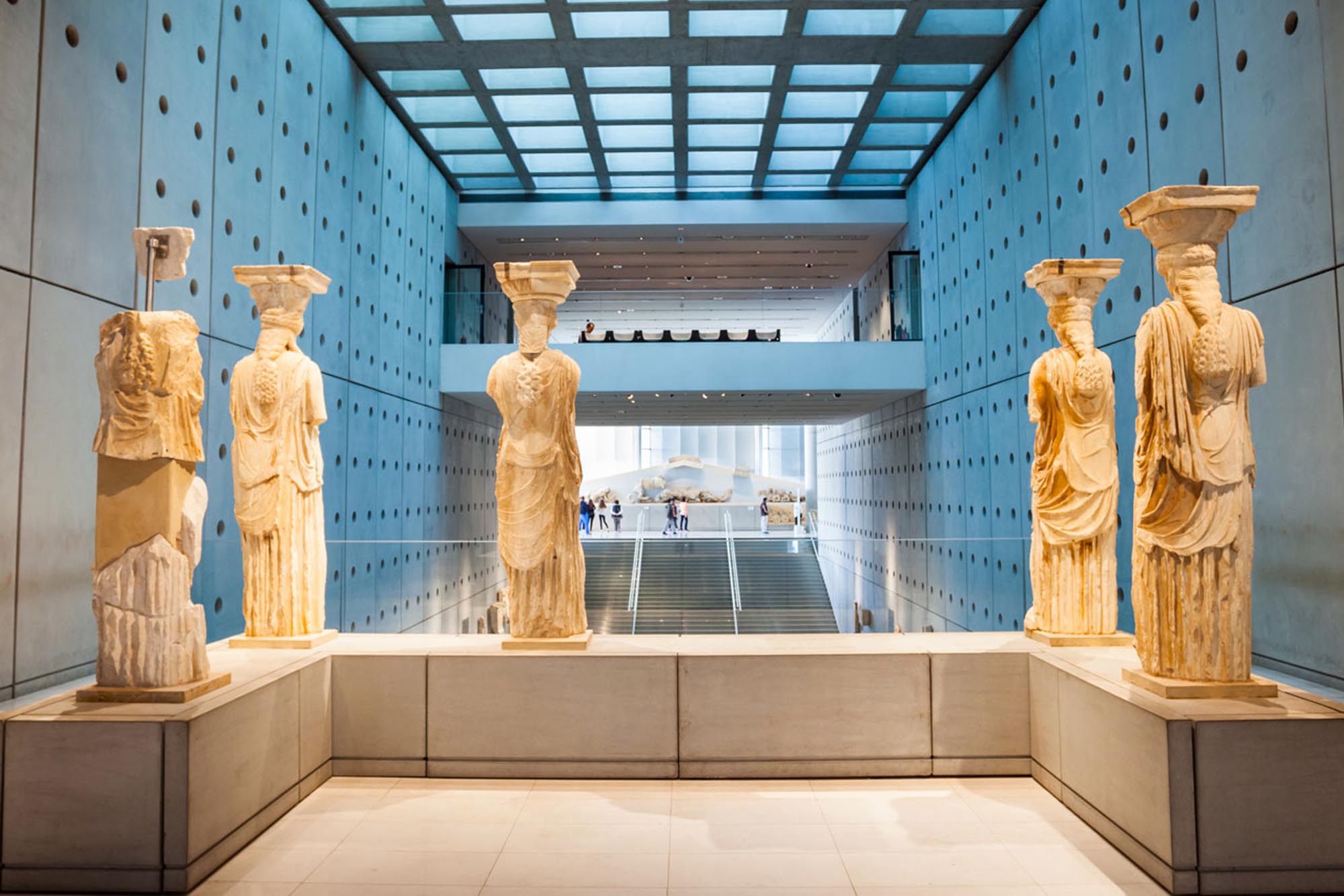
The New Acropolis Museum is the natural starting point, not least because it sits in the shadow of the monument it honours. The building itself is a statement; glass floors revealing excavations below, natural light flooding the galleries, and a top-floor Parthenon Gallery whose layout mirrors the temple’s original structure. The Caryatids keep their vigil here, and the metopes and pediments are displayed alongside replicas of pieces held abroad, a quiet but persistent reminder of history’s unfinished conversations. What makes this museum special is not just what it holds, but how it holds it. The experience feels less like a collection and more like a dialogue between the ruins outside and the stories preserved within.
A CITY IN FRAGMENTS
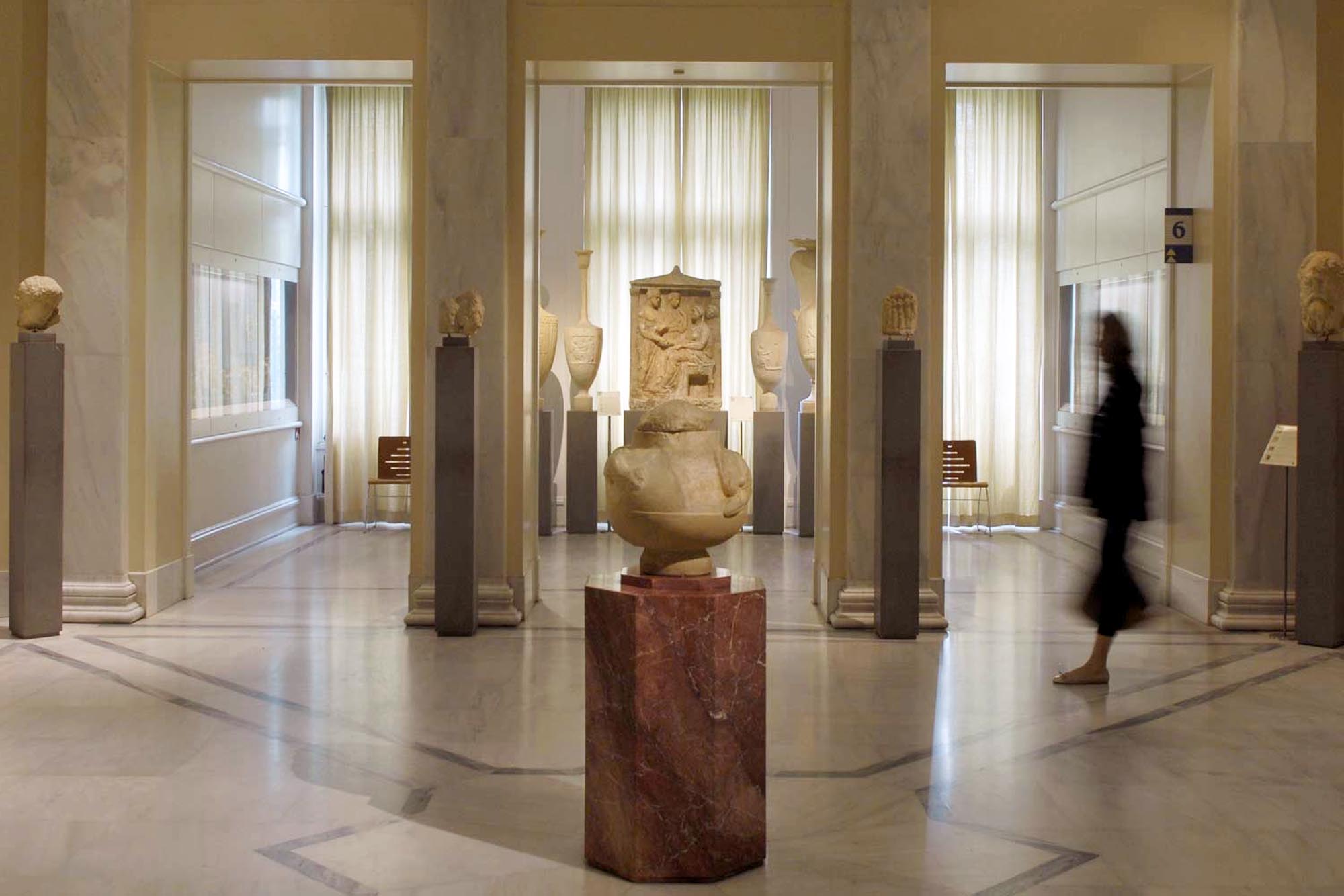
A short distance away, the National Archaeological Museum offers something different: breadth. With over 11,000 exhibits spanning from the seventh millennium BC to the end of antiquity, it is the largest museum in Greece and one of the most significant in the world. The Prehistoric Collection holds the gold treasures of Mycenae and the haunting frescoes of Akrotiri, preserved under volcanic ash. The Sculpture Collection traces the evolution of the human form from Archaic stiffness to Classical idealisation. And the Metalwork Collection includes the Antikythera Mechanism; a geared bronze device often described as the world’s first computer. It is a lot to take in, and that is precisely the point. The museum doesn’t rush you. It lets the weight of centuries settle.
BEYOND THE MARBLE
But Athenian heritage is not only ancient. The Benaki Museum, housed in a neoclassical mansion in Kolonaki, tells the story of Greek culture from prehistory to the twentieth century; moving through Byzantine icons, revolutionary heirlooms, and even Lord Byron’s pistols. It is a museum of connections, showing how the ancient world feeds into the modern one. Nearby, the Museum of Cycladic Art narrows the focus to the third millennium BC, with marble figurines so abstract and elegant they influenced twentieth-century sculptors like Modigliani and Brancusi. And for those drawn to the spiritual and artistic legacy of Byzantium, the Byzantine and Christian Museum offers over 25,000 works, icons, frescoes, textiles, and manuscripts, housed in a nineteenth-century villa with a tranquil garden. Each of these museums offers a different angle on the same question: what makes Athens, Athens?
STORIES THAT STAY WITH YOU
What ties these institutions together is not just their collections, but their role in shaping how we understand the city. A visit to the Acropolis Museum changes the way you see the Acropolis itself. A morning at the National Archaeological Museum gives context to every fragment you pass on the street. And the smaller museums, Cycladic, Byzantine, Benaki, remind you that identity is never singular. It is layered, contested, and constantly being retold.
For guests at F ZEEN Athens, these museums are not simply attractions to tick off a list. They are part of the city’s rhythm, spaces where the past and present continue their long conversation. And sometimes, the best way to understand a place is to step inside, slow down, and listen.
Book your stay at F ZEEN Athens and discover the city’s stories for yourself.